Hair Loss After Pregnancy: Recovery Guide
3,014 words·Compiled from cited medical literature·Not medical advice
On this page 14 sections
- Who This Guide Is For
- Understanding Postpartum Hair Loss
- The Timeline: What to Expect
- The Emotional Impact
- When Hair Loss Reveals More
- Breastfeeding and Hair Loss
- Nutritional Support
- Practical Hair Care
- When to See a Doctor
- Treatment Options
- Recovery Expectations
- Emotional Support
- Frequently Asked Questions
- Related Resources
Evidence-based guide to understanding and recovering from postpartum hair loss
Who This Guide Is For#
This guide is for you if:
- You recently had a baby and are noticing increased hair shedding
- You're finding clumps of hair in the shower or on your brush
- You're breastfeeding and wondering what treatments are safe
- You want to understand the timeline for recovery
- You're experiencing anxiety about your hair loss
This guide is NOT for you if:
- Your hair loss started during pregnancy (different cause)
- You're experiencing patchy hair loss (may indicate alopecia areata)
- Hair loss continues beyond 12 months postpartum
- You have other symptoms like fatigue, weight changes, or mood changes (see your doctor)
- You had significant hair loss before pregnancy
Understanding Postpartum Hair Loss#
What's Actually Happening#
Postpartum hair loss—medically called telogen gravidarum or postpartum telogen effluvium—occurs because of hormonal shifts that happen after delivery. During pregnancy, high levels of estrogen from the placenta extend the growth phase (anagen) of your hair cycle. This means fewer hairs fall out during pregnancy, often giving you thicker, fuller hair.
After delivery, estrogen levels drop rapidly, and all those hairs that were "held" in the growth phase shift to the resting phase (telogen) simultaneously. About 2-3 months later, these hairs fall out. This synchronized shedding is why it can seem so dramatic—you're losing the accumulation of 9 months' worth of hair that didn't shed on schedule.
This is not new hair loss. It's delayed hair loss—your body catching up to where it would have been without pregnancy hormones.
How Common Is It?#
Research estimates that postpartum telogen effluvium affects between 40-50% of women significantly enough to notice. However, a 2024 study found that 91.8% of new mothers reported at least some degree of increased hair shedding after delivery. The difference lies in severity—some women notice a few extra hairs, while others experience dramatic thinning.
If you're experiencing postpartum hair loss, you are in the majority of new mothers. This is a normal part of pregnancy recovery.
The Timeline: What to Expect#
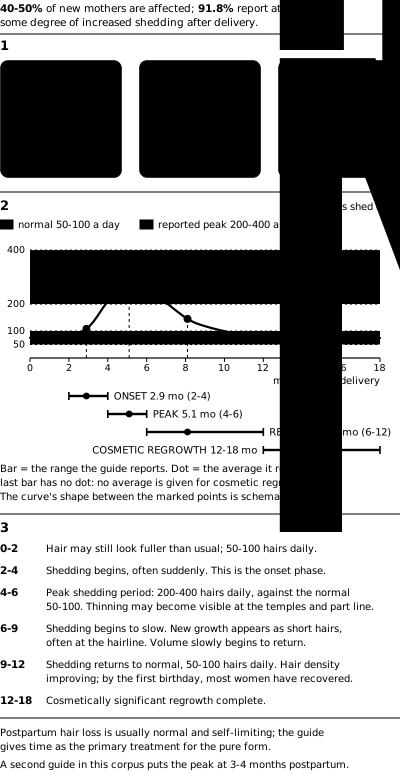
Month-by-Month Progression#
A 2024 study tracking postpartum hair loss established clear averages for the timeline:
Onset: Average 2.9 months postpartum (range: 2-4 months) Peak: Average 5.1 months postpartum (range: 4-6 months) Resolution: Average 8.1 months postpartum (range: 6-12 months)
Month-by-Month Breakdown#
Months 0-2 (Postpartum)
- Hair may still look fuller than usual
- Normal shedding of 50-100 hairs daily
- Enjoy this time—changes are coming
Months 2-4
- Shedding begins, often suddenly
- May notice more hair in shower drain, on brush, on pillow
- Can feel alarming if you don't know what's happening
- This is the onset phase
Months 4-6
- Peak shedding period
- May lose 200-400 hairs daily (versus normal 50-100)
- Most distressing time emotionally
- Thinning may become visible, especially at temples and part line
- Hair texture may change temporarily
Months 6-9
- Shedding begins to slow
- May notice baby hairs starting to grow
- New growth appears as short hairs, often at the hairline
- Volume slowly begins to return
Months 9-12
- Shedding returns to normal (50-100 hairs daily)
- New growth becoming more noticeable
- Hair density improving
- By baby's first birthday, most women have recovered
Months 12-18
- Cosmetically significant regrowth complete
- Hair may not be identical to pre-pregnancy
- Some women notice texture changes that persist
- Full recovery achieved
The Emotional Impact#
Why This Matters Psychologically#
A groundbreaking 2024 study published in the Journal of Obstetrics and Gynaecology Research was the first to document the psychological effects of postpartum hair loss. The findings reveal that this is not just a cosmetic concern:
73.1% of women experiencing postpartum hair loss report anxiety or stress about it
Women with severe hair loss have a 4.47 times higher odds of experiencing anxiety compared to those with no hair loss
This research validates what many new mothers feel: postpartum hair loss is emotionally difficult, and these feelings are normal and common.
Why It Feels So Hard#
Postpartum hair loss strikes at a uniquely vulnerable time:
Already exhausted: Sleep deprivation and the demands of newborn care deplete emotional reserves
Body changes: Your body has already gone through dramatic pregnancy changes; hair loss feels like another loss of control
Identity shift: Becoming a mother involves identity changes; losing hair can feel like losing another part of yourself
Hormonal sensitivity: Postpartum hormonal fluctuations intensify emotional responses
Social pressure: Expectations to "bounce back" make visible changes feel more distressing
Breaking the Stress Cycle#
Research shows that stress elevates cortisol, which can actually worsen hair loss by shortening the growth phase. Anxiety about hair loss can perpetuate the problem. Understanding that postpartum hair loss is temporary and normal helps break this cycle.
Women who discuss their concerns with partners show 25% lower scores on postpartum depression measures. Talking about what you're experiencing matters.
When Hair Loss Reveals More#
The Unmasking Phenomenon#
A critical 2024 study found that postpartum hair loss often "unmasks" underlying hair loss conditions that were hidden during pregnancy:
| Diagnosis | Percentage |
|---|---|
| Telogen effluvium alone | 9.5% |
| TE + androgenetic alopecia (AGA) | 56.0% |
| TE + traction alopecia (TA) | 6.5% |
| TE + AGA + TA combined | 28.0% |
This means only about 1 in 10 women experiencing postpartum hair loss have pure telogen effluvium with no underlying condition. The majority have some degree of female pattern hair loss that becomes visible when the protective effect of pregnancy hormones disappears.
What This Means for You#
If your hair loss:
- Doesn't follow the typical timeline
- Doesn't resolve by 12 months
- Shows a pattern (widening part, temple recession)
- Is more severe than expected
You may have an underlying condition that postpartum changes revealed. This isn't bad news—it means there are effective treatments available. But it requires proper diagnosis from a dermatologist.
Breastfeeding and Hair Loss#
Special Considerations for Nursing Mothers#
Research shows that breastfeeding may influence the postpartum hair loss timeline. Studies found statistically significant differences between breastfeeding and non-breastfeeding mothers at 4 months postpartum, with lactating mothers showing lower anagen (growth phase) rates.
This means breastfeeding may extend the period of hair shedding somewhat, as the hormonal changes that trigger regrowth are prolonged during lactation.
Treatment Safety During Breastfeeding#
A 2025 review in the International Journal of Dermatology evaluated treatment safety during breastfeeding:
Generally Safe:
- Nutritional supplements (iron, zinc, vitamin D, biotin at appropriate doses)
- Ketoconazole 2% shampoo (negligible systemic absorption)
- Low-level laser therapy (LLLT) (noninvasive, no drug interaction)
- Platelet-rich plasma (PRP) (minimal risk to breastfed infants)
- Gentle scalp massage
- Dietary modifications
Use with Caution:
- Topical minoxidil: May pose low risk to older, full-term infants but should be avoided with preterm or newborn infants. A case report documented infant hypertrichosis (excess hair growth) when mother used 5% topical minoxidil; the condition resolved after discontinuation.
Avoid:
- Oral minoxidil
- Spironolactone
- Finasteride (contraindicated in women of childbearing potential regardless)
- Any medication not specifically cleared for breastfeeding
If You're Not Breastfeeding#
If you've completed breastfeeding or are not nursing, you have more treatment options available. However, since postpartum hair loss typically resolves on its own, aggressive treatment may not be necessary unless you have an underlying condition that was unmasked.
Nutritional Support#
Addressing Common Deficiencies#
Pregnancy and breastfeeding deplete certain nutrients that are important for hair health. Addressing deficiencies can support optimal regrowth:
Iron: Iron deficiency is common postpartum—about 1 in 3 pregnant women experience it. Low iron can exacerbate hair shedding. Have your ferritin levels checked; optimal levels for hair health are typically above 70 ng/mL.
Vitamin D: Supports hair follicle cycling. Deficiency is common, especially if you're indoors frequently with a newborn. Testing is recommended before supplementing.
Zinc: Supports follicle function and protein synthesis. Deficiency can contribute to hair loss.
Biotin: While biotin deficiency is rare, it can occur more frequently in breastfeeding mothers. However, evidence for biotin supplementation in women without deficiency is limited.
Protein: Adequate protein intake is essential for hair growth. Postpartum diets sometimes lack sufficient protein, especially with the time constraints of new motherhood.
Recommended Approach#
- Continue prenatal or postnatal vitamins
- Request blood work: CBC, ferritin, vitamin D, thyroid panel
- Address any documented deficiencies with appropriate supplementation
- Focus on a balanced diet with adequate protein
- Stay hydrated
Safe daily doses during breastfeeding:
- Iron: 18 mg (more if deficient, under medical supervision)
- Vitamin D: 600-2000 IU (based on blood levels)
- Zinc: 12 mg
- Biotin: 30-100 mcg (standard in most prenatal vitamins)
Practical Hair Care#
Protecting Hair During Recovery#
While you can't stop postpartum shedding, you can minimize additional damage and maximize the appearance of your hair during recovery:
Be Gentle
- Use a wide-tooth comb, not a brush
- Detangle from ends upward
- Avoid pulling or tugging
- Be gentle when wet (hair is most fragile when wet)
Avoid Additional Stress
- Minimize heat styling
- Avoid tight hairstyles (ponytails, buns, braids that pull)
- Skip chemical treatments (coloring, perming, relaxing) during peak shedding
- Avoid overwashing (2-3 times weekly is usually sufficient)
Optimize Appearance
- Volumizing shampoos and conditioners can help
- A new haircut may make thinning less noticeable
- Strategic layers add movement and volume
- Dry shampoo between washes adds texture
- Hair fibers or powders can camouflage thin spots temporarily
Scalp Care
- Gentle scalp massage (2-3 minutes daily) may support circulation
- Keep scalp clean and healthy
- Address any flaking or irritation with appropriate shampoos
When to See a Doctor#
Red Flags That Need Evaluation#
While postpartum hair loss is usually normal and self-limiting, certain signs warrant medical evaluation:
See your doctor if:
- Hair loss doesn't follow the typical timeline (starting before 2 months or after 6 months postpartum)
- Shedding continues beyond 12 months postpartum
- You notice patchy hair loss (not diffuse thinning)
- Hair loss is accompanied by other symptoms (fatigue, weight changes, mood changes, skin changes)
- You have a visible widening part or temple recession that doesn't improve
- You had significant hair loss before pregnancy
Conditions to rule out:
- Thyroid dysfunction (common postpartum)
- Iron deficiency anemia
- Vitamin D deficiency
- Other nutritional deficiencies
- Alopecia areata
- Female pattern hair loss (unmasked by pregnancy)
What to Expect at Your Appointment#
Your provider should:
- Take a detailed history (timing, pattern, other symptoms)
- Examine your scalp
- Order blood work (CBC, ferritin, thyroid, vitamin D)
- Potentially perform a hair pull test
- May refer to dermatology if the pattern is atypical
Treatment Options#
What Actually Works#
The most important management for postpartum telogen effluvium is understanding and patience. According to clinical guidelines, counseling about the natural history of the condition is the single most important intervention.
Evidence-Based Options#
For Pure Postpartum TE:
- Time (primary treatment—resolves on its own)
- Nutritional optimization (correct any deficiencies)
- Stress management (to avoid perpetuating the cycle)
- Gentle hair care (to minimize additional loss)
- Emotional support (to manage anxiety)
If Underlying AGA Is Unmasked:
- Minoxidil (after breastfeeding is complete, or with caution for older infants)
- Spironolactone (after breastfeeding is complete)
- Low-level laser therapy (safe during breastfeeding)
- PRP (safe during breastfeeding)
What Doesn't Work:
- Aggressive "hair growth" supplements without documented deficiency
- Expensive serums with unproven ingredients
- Biotin supplementation without biotin deficiency
- Treatments started too early (hair needs time to cycle)
Recovery Expectations#
Setting Realistic Goals#
Understanding what to expect helps manage anxiety and recognize normal progress:
By 6 months postpartum:
- Peak shedding should be passing
- You may notice tiny baby hairs emerging
- Total hair volume still reduced
By 9 months postpartum:
- Shedding should be significantly reduced
- New growth more visible (may stick up or look wispy)
- Volume beginning to return
By 12 months postpartum:
- Shedding returned to normal baseline
- Noticeable regrowth
- Most women feel their hair is recovering
By 18 months postpartum:
- Cosmetically significant recovery
- New hair blending with existing hair
- May notice some permanent changes in texture or density
Will My Hair Be the Same?#
For most women, hair returns to its pre-pregnancy state or close to it. However, some women notice:
- Slight changes in texture (more or less curl)
- Minor changes in density (especially if AGA was unmasked)
- Changes in hairline if tight hairstyles were worn during shedding
If you had female pattern hair loss unmasked by pregnancy, you may not return to your pre-pregnancy density without treatment.
Emotional Support#
Coping Strategies That Help#
Given that 73.1% of women with postpartum hair loss experience anxiety about it, emotional support is an essential part of recovery:
Talk About It
- Share with your partner (reduces depression scores by 25%)
- Connect with other new mothers who understand
- Consider support groups (online or in-person)
- Speak with your healthcare provider if anxiety is significant
Reframe Your Thinking
- This is temporary, not permanent
- This is your body recovering from pregnancy
- Shedding means regrowth is coming
- Baby hairs are a sign of recovery
Practice Self-Compassion
- You're adjusting to major life changes
- Your body has done something remarkable
- Hair is one small part of who you are
- It's okay to feel upset and still know it will pass
Seek Help If Needed
- If anxiety about hair loss is affecting daily functioning
- If you're experiencing symptoms of postpartum depression or anxiety
- If you're avoiding social situations due to your hair
- Your mental health matters—there's no shame in getting support
Frequently Asked Questions#
Can I prevent postpartum hair loss?#
No. Postpartum hair loss is a normal physiological response to the hormonal changes after delivery. You cannot prevent it. You can optimize your recovery by maintaining good nutrition, managing stress, and being gentle with your hair.
Will prenatal vitamins prevent hair loss?#
Prenatal vitamins support overall health and address common deficiencies, but they won't prevent the hormonal trigger for postpartum hair loss. Continue taking them for general health during breastfeeding.
Is it worse with each pregnancy?#
There's no consistent evidence that postpartum hair loss worsens with subsequent pregnancies. However, if female pattern hair loss was unmasked during a previous pregnancy, you may notice it more with subsequent pregnancies as the underlying condition progresses.
Can I color my hair during postpartum shedding?#
It's generally recommended to wait until the peak shedding phase (months 4-6) has passed. Chemical treatments don't cause hair loss, but they can damage already fragile hair. If you do color, use gentle formulations and avoid overlapping on previously colored hair.
Does cutting my hair stop the shedding?#
No. The shedding is happening at the root level—cutting has no effect on whether hair falls out. However, a shorter cut may make thinning less noticeable and give the appearance of more volume.
When can I start minoxidil?#
If you're breastfeeding a newborn or preterm infant, minoxidil is not recommended. For older, full-term breastfed infants, topical minoxidil may pose low risk, but discuss with your doctor. Most dermatologists recommend waiting until breastfeeding is complete, unless you have underlying AGA that needs treatment.
How do I know if it's just postpartum hair loss or something else?#
Pure postpartum telogen effluvium follows a predictable pattern: diffuse shedding starting 2-4 months postpartum, peaking at 4-6 months, and resolving by 12 months. If your pattern differs, if loss is patchy, or if it doesn't resolve, see a dermatologist for evaluation.
Will stress make it worse?#
Yes. Stress elevates cortisol, which can shorten the hair growth phase and perpetuate shedding. While you can't eliminate the hormonal trigger, managing stress through the recovery period may help prevent extending the shedding phase.
Related Resources#
- Women's Hair Loss: Complete Guide
- Female Pattern Hair Loss: Treatment Options
- Telogen Effluvium: Causes and Recovery
- Minoxidil for Women: Complete Guide
- Low-Level Laser Therapy Guide
- When to See a Dermatologist
References
- Journal of Obstetrics and Gynaecology Research (2024). Postpartum hair loss is associated with anxiety. PMC11608844.
- PMC (2024). Investigation of exacerbating factors for postpartum hair loss. PMC10846762.
- PMC (2024). Postpartum Telogen Effluvium Unmasking Additional Latent Hair Loss Disorders. PMC11107900.
- PMC. Telogen Effluvium: A Review. PMC4606321.
- NCBI Bookshelf (2024). Telogen Effluvium - StatPearls. NBK430848.
- NCBI LactMed. Minoxidil - Drugs and Lactation Database. NBK501032.
- International Journal of Dermatology (2025). Alopecia Treatments in Breastfeeding: Safety and Clinical Considerations.
- Cleveland Clinic. Postpartum Hair Loss.
- Johns Hopkins Medicine. Postpartum Hair Loss.
- PMC (2022). Postpartum Telogen Effluvium Unmasking Traction Alopecia. PMC9274946.
Medical Disclaimer
This article is for informational purposes only and does not constitute medical advice. Postpartum hair loss is usually normal and temporary, but if you have concerns about your hair loss or are experiencing other symptoms, consult with your healthcare provider. If you are breastfeeding, always discuss any treatments with your doctor before starting them.